Before the Great War turned America into a glowing, cratered wasteland, the nation was in the middle of an unprecedented technological boom. Robots served breakfast, nuclear-powered cars hummed down clean highways, and corporations promised a future of infinite progress. But beneath the glitz of pre-war luxury, tensions were growing — social divides, resource scarcity, and political paranoia ultimately set the stage for destruction.
Today, we’re digging into what luxury meant in pre-war America, who had access to it, and how the ruins of high-end living still shape the Wasteland centuries later.
A Golden Age Built on a Fault Line
The late 21st century is often romanticized as a retro-futuristic age of atomic optimism. Neon-lit diners, chrome skyscrapers, and sleek nuclear cars created an aesthetic that Wastelanders still recognize today. But these luxuries were not evenly shared.
Who Experienced Luxury?
Pre-war luxury was concentrated among:
- Defense executives and military officers
- Vault-Tec investors and government scientists
- Upper-middle-class suburban families
- Corporate elites involved in robotics, energy, or weapons research
For the rest, luxury was something seen on billboards — not something they lived.
The Luxury Tech That Defined the Era
While many Wastelanders today rely on jury-rigged generators or battered Pip-Boys, pre-war citizens enjoyed technology so advanced it still feels almost magical.
1. Personal Robotics
Households had access to:
- Mr. Handy units for cleaning, cooking, and childcare
- Mr. Gutsy military-grade variants
- RobCo home terminals for communication and entertainment
These robots weren’t novelties — they were cultural staples.
2. Nuclear-Powered Transportation
High-end cars built by companies like Chryslus Motors turned everyday commuting into a display of wealth. The famous Highwayman and Anchorage-era military vehicles are remnants of that advanced engineering.
3. Luxury Housing & Vault-Tec Prestige
While most Vaults were massive social experiments, select Vaults were marketed as high-end shelters featuring:
- Premium apartments
- Entertainment halls
- State-of-the-art water purification
- Long-term resource sustainability (in theory…)
To wealthy families, buying a Vault place wasn’t just survival — it was a status symbol.
The Illusion of Prosperity
Growing luxury masked a nation on the brink.
Resource Wars Erupt
Oil fields drying up led to:
- Conflict with the Middle East
- Domestic rationing
- Riots in major cities
- Militarization of everyday life
Luxury tech still existed — but only for those who could afford it.
Corporate Control Tightens
Companies like Vault-Tec, RobCo, Poseidon Energy, and General Atomics were not simply businesses; they became quasi-governmental powers.
Their influence shaped:
- Military strategies
- Urban planning
- National propaganda
- Consumer behavior
Luxury became a tool — a way to maintain loyalty and obedience.
What Survives Today in the Wasteland
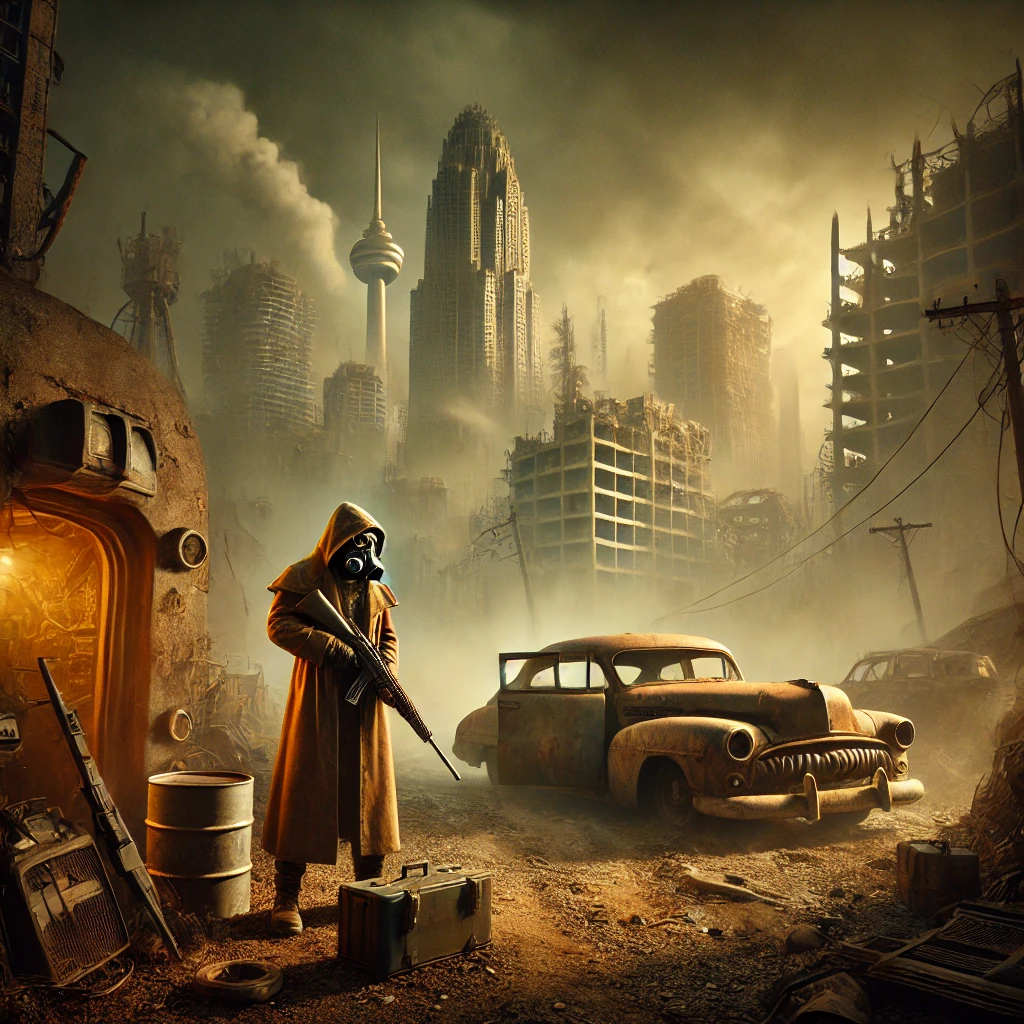
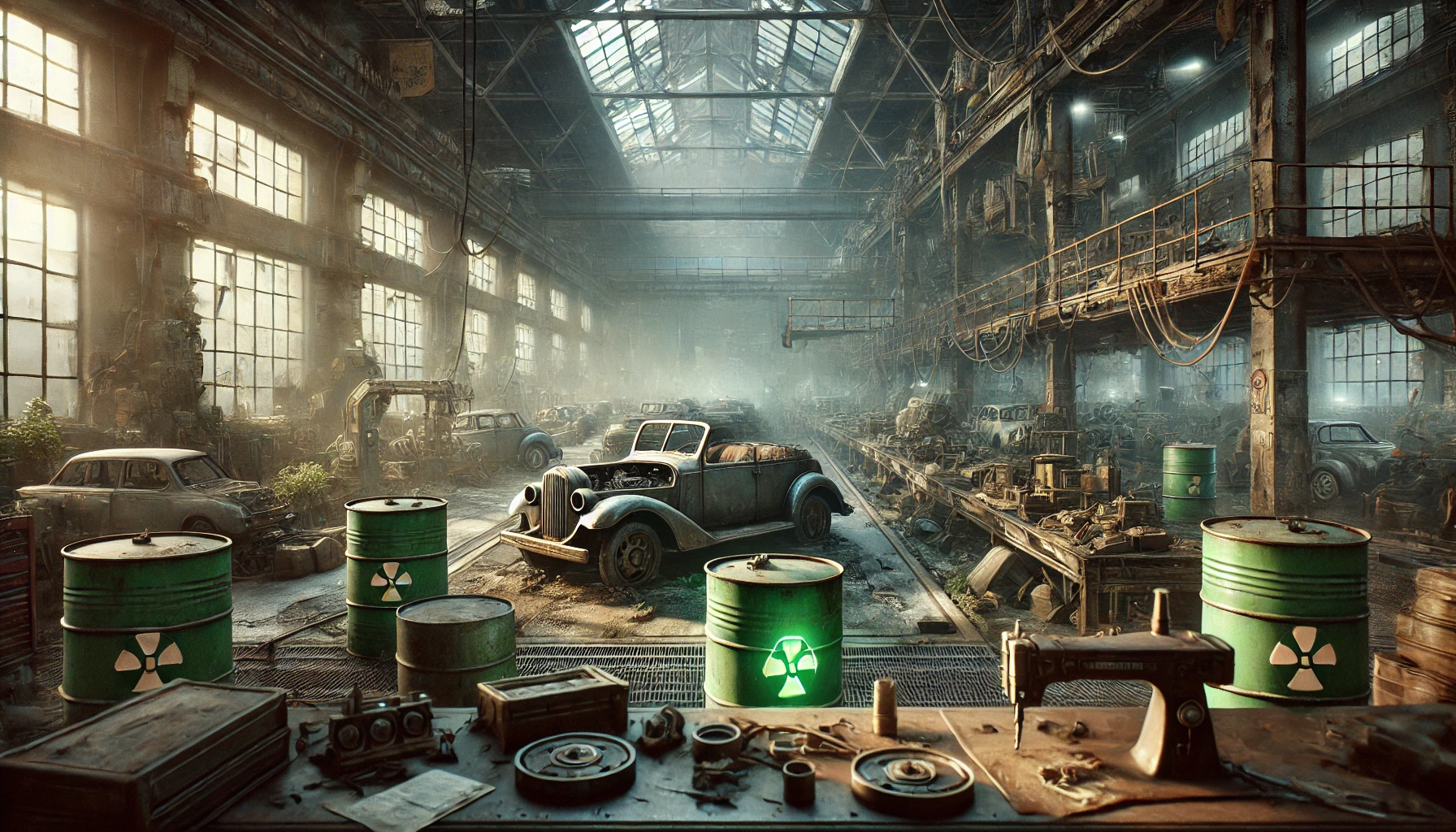
Despite the nuclear devastation, fragments of pre-war luxury still dot the wasteland, like fossilized remains of a lost world.
1. Cars
Rusting chassis of Chryslus sedans and Corvega coupes sit abandoned on cracked highways. Their reactors long dead, they serve as:
- Raider barricades
- Settler scrap sources
- Landmarks for navigation
Some mechanics even try to revive them — with mixed results.
2. Robots
Mr. Handy units still float through ruined suburbs, desperately clinging to centuries-old programming.
Some cook, some clean…
And some attack anything that moves.
3. Residential Ruins
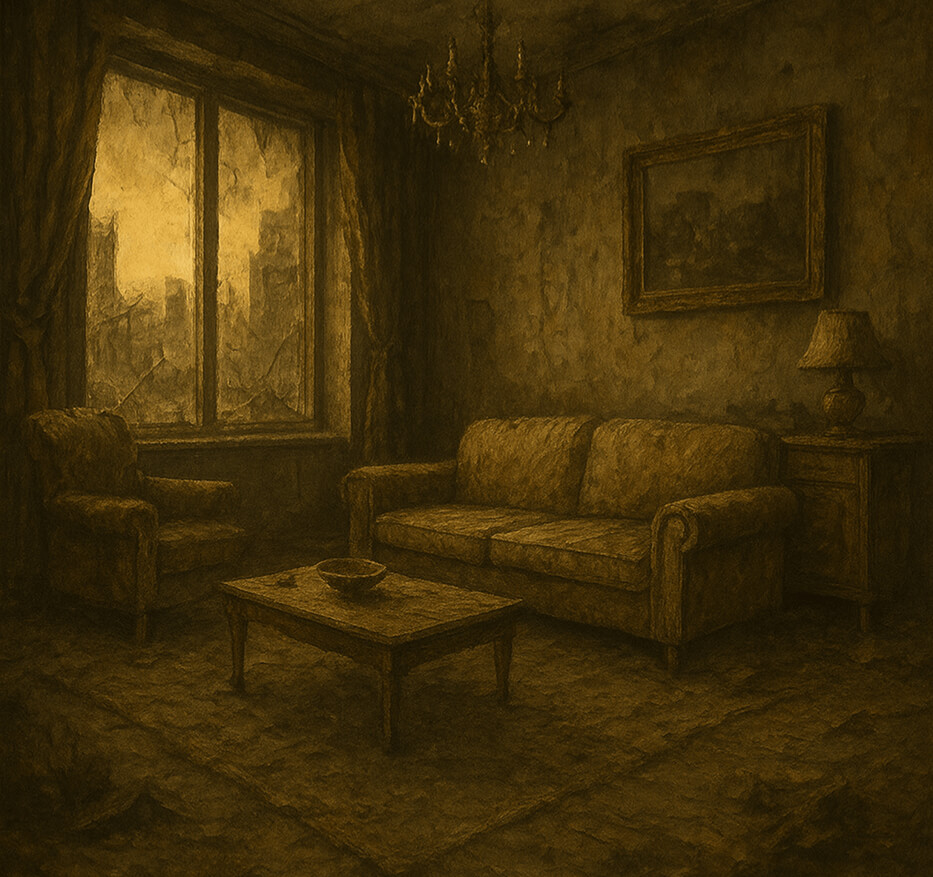
Luxury neighborhoods — like those found in Fallout 4’s pre-war suburbs — show the stark contrast between the wealthy and the working class:
- Reinforced walls
- Smart-home robotics
- High-end décor
- Pre-war medical supplies in abundance
Meanwhile, poorer regions have nearly crumbled into dust.
4. Vaults
Vaults remain the most iconic symbol of pre-war “luxury gone wrong.”
Many Vaults promised comfortable living, but:
- Some were isolated for centuries
- Some subjected residents to psychological experiments
- Others tested environmental manipulation
- A few simply failed altogether
The legacy of Vault-Tec “luxury” is one of tragedy more often than comfort.
The Dark Side of Pre-War Luxury
Not everything polished and high-tech was benevolent.
1. Propaganda Disguised as Prosperity
Advertisements glamorized:
- Standing in line for limited supplies
- Budgeting ration cards
- Joining the military
- Trusting the government “for your own safety”
The more the country crumbled, the shinier the marketing became.
2. Inequality Reaches a Breaking Point
Luxury consumerism replaced traditional middle-class stability. The elite lived in splendor, while the rest rationed food and feared annexation or foreign invasion.
Tensions exploded — and ultimately contributed to the war that ended the world.
Why Wastelanders Still Care About Pre-War Luxury
In a world of rusted metal and mutated wildlife, even the smallest pieces of pre-war luxury can feel like priceless artifacts.
1. Cultural Identity
Surviving families pass down:
- Pre-war toys
- Posters
- Comics
- Fancy clothing
- Household relics
These items help them remember a world that once existed.
2. Economic Value
Anything luxury-related commands high trading value:
- Fancy Lad Snack Cakes
- “Perfectly preserved” pies
- Clean clothing or suits
- Working terminals
- Robots and microfusion cells
Settlers will cross dangerous regions for these relics.
3. Symbolism
Luxury items represent something more powerful than material value — they represent hope.
Hope for:
- Civilization
- Comfort
- Stability
- A future beyond survival
Even in the Wasteland, humanity clings to reminders of beauty.
Conclusion: Luxury Survived — But Not the World That Made It
Pre-war luxury was dazzling, excessive, and technologically astonishing. But it was also hollow. It masked a society unraveling at the seams — a world where corporate interests outweighed human needs, where technology advanced faster than wisdom, and where luxury became an opiate for a nation in decline.
What remains today are shards of that world:
- Broken robots cooking meals no one will eat
- Burnt-out cars frozen mid-commute
- Vaults filled with echoes of promises that never came true
Luxury did not save America… and in many ways, it helped doom it.
Still, for the survivors who walk the broken highways, these reminders of the past are more than relics. They are sparks of a dream — a dream that humanity, someday, might rise again and rebuild a world worthy of such wonders.
If you enjoyed this article, please check out our other topics and discussions about lore!
**Hey, vault dwellers and radroach wranglers—this blog’s all tongue-in-cheek Fallout fanfic for your entertainment! We’re not preppers, survival experts, or Vault-Tec reps. No real bombs, no actual geiger counters required. Treat these tips like Nuka-Cola rumors: fun to sip, but don’t bet your bottle caps on ’em in a real crisis. Play safe, laugh hard, and consult pros for serious stuff. Game on!